Potato Burger Buns in Dubai: The Starch That Holds It All
A burger bun has one job: hold together under a hot, wet patty, and potato starch is what makes that possible.
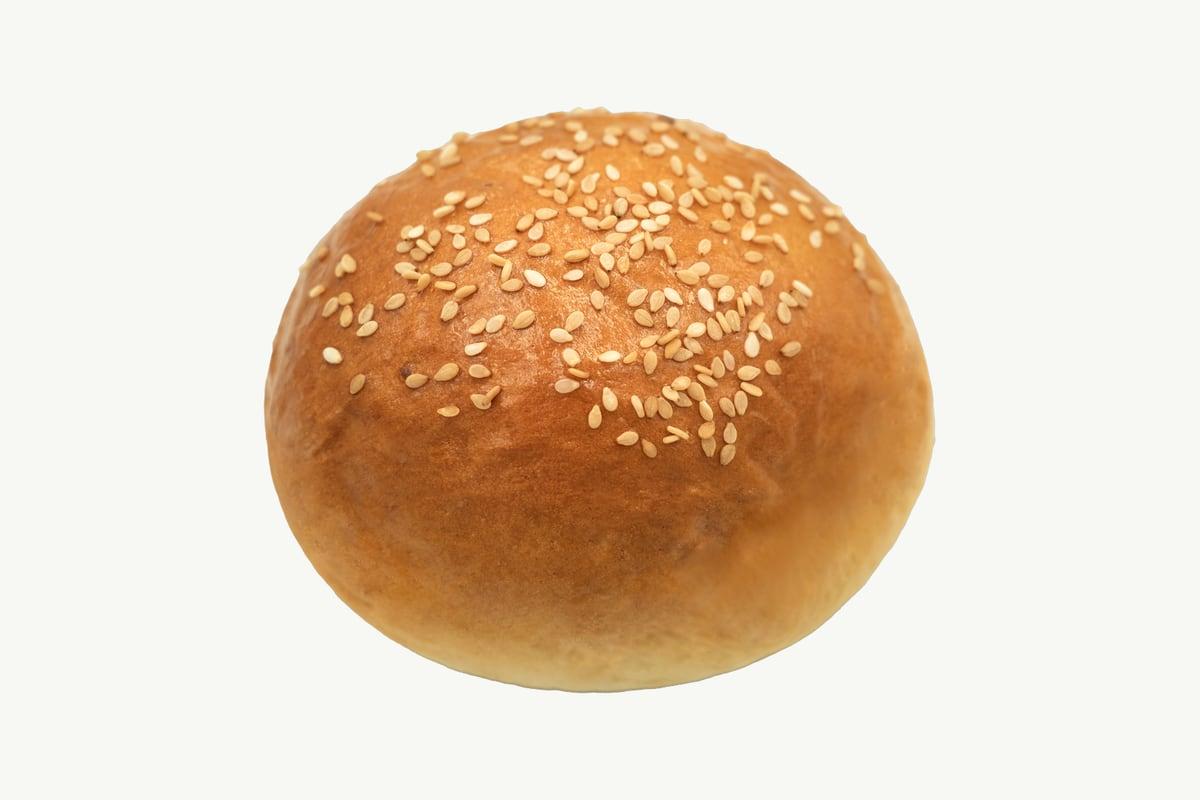
A burger bun has one job: hold a hot patty, melted cheese, sauce and whatever juice runs out of all three for the five or six minutes it takes to eat, without turning to paste. Most buns fail at it. A good potato bun is built around the ingredient that solves the problem properly: cooked potato, worked into the dough.
Our Potato Burger Buns are not currently available to order online. This guide explains what makes a potato bun work and how to get the most out of one, and the soft breads you can order from us today are listed at the end.
What potato starch does that wheat starch cannot
Wheat starch and potato starch behave differently once water and heat are involved. That difference is the whole argument for a potato bun.
Potato starch granules are large and gelatinise at a lower temperature than wheat starch. They swell early in the bake, drink up a great deal of water, and hold on to it. Potato starch is also high in amylopectin, the branched form of starch, and low in amylose, the straight-chain form. Amylose is what recrystallises as bread cools and keeps recrystallising over the following days. That process, retrogradation, is what staling actually is. Less amylose means slower staling, so a potato crumb is still soft the next morning while a lean bun has gone chalky.
The result is a crumb that is soft but elastic rather than soft but fragile. Press a good potato bun to a third of its height and it should spring back. That springiness lets it compress around a patty instead of splitting, and it is why the bun takes on juice without collapsing. A lean bun holds far less water to begin with, so the first thing it does when it meets a burger is soak up someone else's.
How the dough is built: potato, hydration and proof
A potato bun dough takes cooked, riced potato at roughly a fifth of the flour weight. Because that potato is itself mostly water, effective hydration climbs well past what the flour alone could carry. The dough still does not go slack, because the potato starch is already gelatinised and holding that water rather than leaving it loose.
The flour is a moderate bread flour, not the strongest available: enough gluten for structure and gas retention, not so much that the bun turns chewy. Enrichment is light, a little milk and butter and a spoon of sugar for colour more than sweetness. The dough is soft and slightly tacky, and it should be.
Dough temperature matters more here than most recipes admit. The target is a finished dough of 25 to 26°C. In a Dubai kitchen in August, with ambient in the thirties and a mixer adding friction heat, that means chilled liquid and sometimes ice. Get it wrong and fermentation runs away: the dough over-proofs, the gluten tires, and the buns bake flat with a coarse crumb that lets sauce straight through.
Bulk fermentation runs about an hour to ninety minutes. The dough is scaled at around 80 g, shaped into tight rounds so surface tension holds a dome, then given a final proof of 45 to 60 minutes. The test is the finger, not the clock: a light press should spring back slowly and leave a faint dent.
The bake is short and moderate. Around 190 to 200°C for 12 to 14 minutes, with steam at the start for lift, then vented so the crust sets thin and soft rather than crisp. Internal temperature lands at 92 to 94°C. Pull them early and the crumb stays gummy; push past 15 minutes and you drive off the moisture you worked to hold in.
The toasting step almost everyone skips
Toasting is not about warmth. It is about waterproofing.
Put the cut face down on a dry, medium-hot pan or flat griddle for 30 to 45 seconds and two things happen at once. The surface dehydrates, and sugars and proteins brown. You end up with a thin, sealed, slightly caramelised layer that resists liquid for far longer than raw crumb does. That layer is the difference between a base that survives to the last bite and one that disintegrates halfway.
A few details make it work:
- Dry pan first. If you want butter, make it clarified: the milk solids in ordinary butter burn before the crumb colours.
- Medium-high, not high. Aim for deep gold across the whole face, not a scorched ring with a pale centre.
- Toast both halves. The top takes sauce and needs the same protection.
- Build in the right order. Sauce on the top bun, lettuce on the base as a second barrier, and rest the patty a minute so the first rush of juice stays in the meat.
Why brioche can be the wrong bun for a burger
Brioche has become the default on Dubai burger menus, and it is often the wrong call. It carries a very high proportion of butter and egg, and fat coats the gluten strands and shortens them. That is what you want in something eaten on its own: tender, short, melting. It is not what you want under a seasoned patty. A short crumb tears rather than stretching, and once it takes on juice it goes from rich to greasy. Its sugar also colours fast on the griddle, so it scorches before it seals.
There is a place for that richness, and it is breakfast. Our Brioche Toast Bread is superb for French toast or thick-cut toast with jam, where the fat is the point. Under a burger, the bun should be a quiet, springy structure that stays out of the way.
A chewy bun is not the answer either. Our Classic Bagels are boiled before baking to set a dense, deliberately chewy crumb: right for smoked salmon, wrong under a soft patty, where you want the bun to yield.
Keeping burger buns fresh in Dubai's heat
Do not refrigerate them. A fridge sits at roughly 3 to 5°C, the band where starch retrogradation runs fastest, so bread stales several times quicker there than on a counter.
Sealed in their bag at room temperature, potato buns hold well for two days, longer than a lean bun manages. In a Dubai summer, with humidity high and kitchens warm, treat that as an outside limit. Anything you will not eat by then should go into the freezer on the day you buy it, double-bagged with the air pressed out. Our loaf-by-loaf guide to storing bread in Dubai covers the same principles for every other kind of bread.
To revive, thaw in the bag for about 40 minutes so the crumb reabsorbs its own moisture rather than losing it, then split and toast as above. In a hurry, 20 to 30 seconds over steam brings a bun back well, but eat it straight away: a steamed bun goes tough once it cools twice.
Serving potato buns to a crowd
For a barbecue or a party, count on about one and a quarter buns per person. People go back for a second more often than they leave one.
Keep the buns indoors and out of the sun until you need them. Split by hand with a serrated knife and a sawing motion, leaving a small hinge at the back so the bun holds together on a crowded plate. Toast in batches in the ten minutes before service, since a toasted bun left sitting loses its seal.
Frequently Asked Questions
What makes potato burger buns better than ordinary ones?
Potato brings a starch that holds much more water than wheat starch and releases it slowly. The crumb stays soft and elastic for longer, so the bun compresses around a patty and springs back instead of crumbling. It also resists going dry overnight, which matters if you are not eating them all at once.
Should I toast burger buns before assembling?
Yes, and it is the step most people skip. Thirty to forty-five seconds cut side down on a dry medium-hot pan dehydrates and browns the surface, creating a thin sealed layer that keeps juice and sauce from soaking straight into the crumb. Toast both halves, not only the base.
How should I store burger buns in Dubai's climate?
Keep them sealed at room temperature for up to two days and avoid the fridge, where bread stales faster than on a counter. For anything beyond that, freeze on the day you buy them, double-bagged with the air pressed out, then thaw in the bag for about forty minutes before toasting.
Is brioche a better choice than a potato bun for burgers?
For a burger, usually not. Brioche carries a lot of butter and egg, which shortens the crumb so it tears rather than stretching, and its sugar browns fast enough to scorch on a griddle. Brioche suits toast and French toast, where the richness is the point rather than a distraction.
How many burger buns do I need for a barbecue?
Allow roughly one and a quarter buns per guest, because people go back for a second more often than they leave one. Keep them indoors and out of the sun, split them with a small hinge at the back, and toast them in batches shortly before serving rather than in advance.
Soft breads you can order from Farah instead
Potato Burger Buns are not on our online menu at the moment. For a soft, springy crumb built on the same idea of starch that holds on to water, our Japanese Milk Bread Loaf uses a cooked flour paste instead of potato, and our guide to how tangzhong keeps milk bread soft explains the parallel. For toasted sandwiches, the White Toast Bread has the fine, tight crumb that keeps a filling where you put it. Browse the rest in the shop; we deliver across Dubai from our kitchen in Dubai Silicon Oasis.