18 August 2026
Lemon Cake in Dubai: How Creaming Decides the Final Crumb
A butter cake is built on creaming, and the lemon lives in the zest oils — here is how the crumb, the syrup soak and the keeping work.
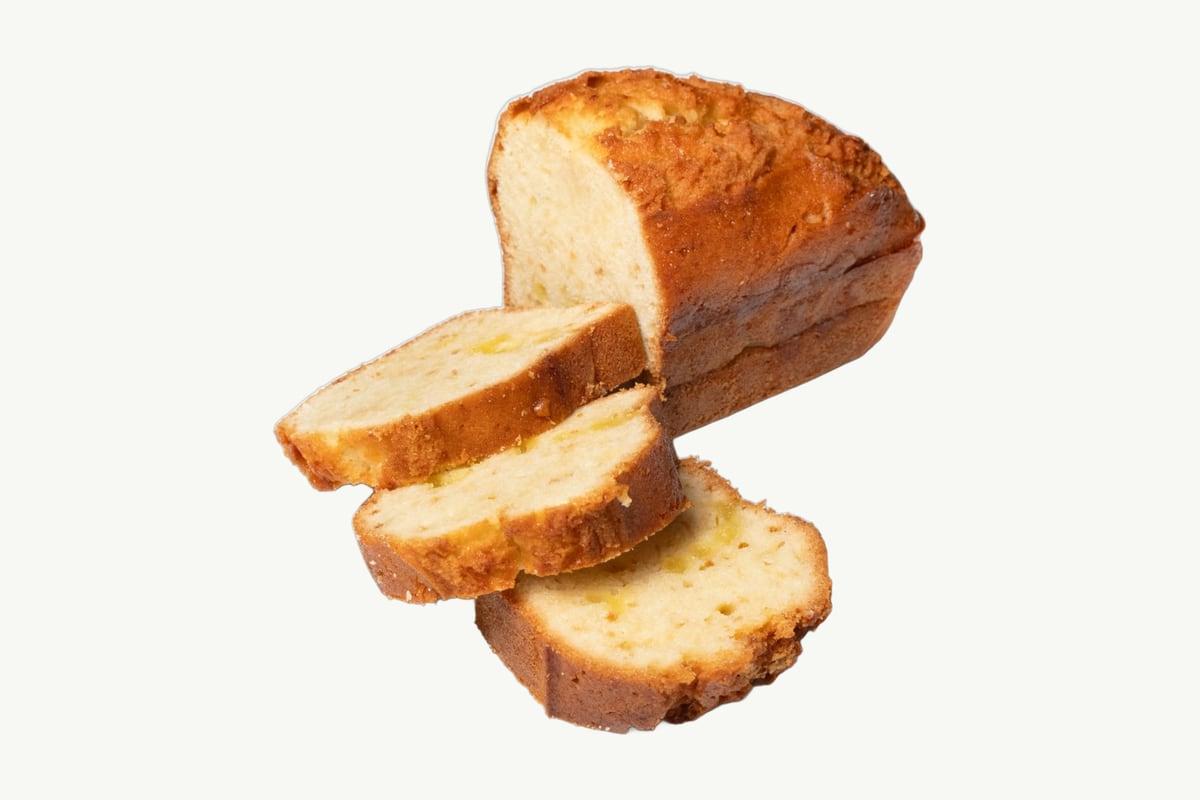
A lemon cake built on butter is made in the mixing bowl, not the oven. Before any flour goes in, butter and sugar are beaten together until the fat is full of microscopic air cells, and those cells become the crumb. Get the butter a few degrees too cold or too warm, or stop the mixer two minutes early, and no amount of careful baking afterwards will fix what you have.
That step is what separates a butter cake from an oil cake. It is also why a lemon cake is the most demanding version to get right: the flavour lives in oils that butter carries well, and the juice people reach for first is the ingredient most likely to split the batter.
Why a butter cake is a different structure from an oil cake
Oil is liquid at every temperature you meet in a Dubai kitchen. It coats flour proteins, blocks gluten, and gives a cake that is soft, damp and forgiving — which is why oil cakes stay tender straight out of a fridge.
Butter is a solid fat with a crystal structure, and that structure is the whole point. Beat softened butter with sugar and the sharp edges of the sugar crystals tear tiny pockets into the fat, each one trapping a bubble of air. Those bubbles are the leavening. Baking powder does not create air in a butter cake; it only expands air that is already there. If creaming did not put the bubbles in, the raising agent has nothing to inflate, and you get a dense, close loaf with a heavy base.
The pay-off is a crumb with a different character: finer, drier to the touch, with a clean edge when you cut it, and a flavour that is unmistakably buttery. It is the same base we use for the Marble Cake Loaf, and the reason both loaves slice rather than crumble; our guide to the four cake loaves sets them side by side.
Butter temperature and creaming time decide everything
Softened butter has a narrow window. We work at around 19 to 20°C — cool enough that the fat still holds its crystalline structure, warm enough to be plastic. Press it and it should dent without your thumb sinking through.
At 15°C it is too firm: the sugar cannot cut into it, so the mixture stays grainy and barely aerates. At 26°C, which is what an hour on a Dubai counter in August gives you, it has started to melt, and melted fat cannot hold a bubble. The batter looks glossy and bakes into a squat, greasy loaf.
Time matters as much as temperature. We cream for four to six minutes on medium speed, not thirty seconds. The mixture should visibly change: from yellow to near-white, from dense to light, from tight to almost doubled in volume. Colour is the honest indicator — pale means air.
Then the eggs, at room temperature, one at a time, each beaten in fully before the next. Cold eggs are the commonest cause of a split batter: they chill the butter below its plastic range and the emulsion breaks. A tablespoon of the weighed flour usually brings it back. Once the flour goes in, the mixing stops — folded by hand, just until no dry streaks remain.
Why lemon zest carries far more flavour than juice
Almost all the aromatic character of a lemon sits in the coloured outer peel, in tiny oil glands you can see if you hold it to the light. That oil holds the limonene and citral — the compounds your nose reads as "lemon". Juice is mostly water and acid. It tastes sour. It does not taste especially of lemon.
So the zest goes in first, and it goes in with the sugar. We rub finely grated zest into the caster sugar with our fingertips before the butter arrives, until the sugar is damp and pale yellow. The abrasive crystals rupture the oil glands and the sugar absorbs what comes out. Those oils then disperse through the fat during creaming, which is where they belong — aromatic oils are fat-soluble, so butter carries citrus far better than a lean batter does.
Two things go wrong here. Grating too deep takes the white pith, which gives bitterness and no aroma — stop at the yellow. And relying on juice for flavour floods the batter with water and acid long before you can actually taste the fruit.
That is the logic behind the Classic Lemon Butter Cake Loaf at 35 AED. The citrus is in the crumb because it went in through the zest, not painted on afterwards as a glaze.
How much acid a batter can take before it curdles
A creamed butter batter is a fragile emulsion of fat, water and egg protein, and acid destabilises it. Add lemon juice directly and its acidity curdles the milk proteins on contact, leaving visible flecks and a coarse texture. It also reacts at once with any bicarbonate present, so the gas is released in the bowl rather than in the oven. Push further and the acid weakens the egg and gluten network until the centre sinks as it cools.
The answer is restraint and placement. A small measured amount of acid in the batter tenderises and brightens, but the bulk of the juice belongs somewhere the emulsion cannot be harmed. That place is the syrup.
The syrup soak, the bake, and why timing is everything
We bake at a moderate 165 to 170°C for roughly 50 to 60 minutes. A loaf is deep, and a hotter oven sets the crust before the middle has finished rising, producing a torn dome over an underbaked seam. It is ready when a skewer in the centre comes out with a few dry crumbs on it.
The syrup is simple: lemon juice and sugar warmed only until the sugar dissolves, never boiled down. Boiling drives off the volatile aromatics and leaves you with sweet acid.
Timing is the part people get wrong. The syrup goes onto the loaf while it is still hot in its tin, and the syrup should be warm too. A hot crumb is open and losing steam; as it cools it contracts and draws liquid inwards. Brush warm syrup onto a hot loaf and it travels deep. Brush cold syrup onto a cold loaf and it sits on top, goes tacky, and leaves the middle dry. We skewer the top a dozen times and apply the syrup in two or three passes.
That soak is also why a lemon loaf is better on day two. Overnight, the syrup redistributes and the zest oils migrate through the fat in the crumb, so the flavour becomes rounder and more even.
Serving and keeping a lemon loaf in Dubai heat
A butter cake behaves exactly like the fat it is made from: firm below roughly 18°C, soft at room temperature. Straight from a fridge the crumb is hard and the aromatics are muted. Take it out 30 to 40 minutes before serving and it comes back completely, because the fat softens and the citrus oils volatilise again.
Storage in Dubai pulls in two directions. Air conditioning runs the indoor air dry, so an uncovered cut face goes stale within hours; outdoor humidity does the opposite and turns a syrup-glazed top sticky. The answer to both is the same: keep the loaf whole as long as you can, press cling film against the cut face, and store it in an airtight box at room temperature for three to four days. Do not refrigerate it — cold speeds up the staling of the starch. Beyond four days, freeze it in individually wrapped slices; they thaw on the counter in about twenty minutes.
If you want a contrast beside it, the Double Chocolate & Coconut Cake Loaf at 35 AED is the rich one of our four loaves: dark and dense, built for a dessert plate where the lemon loaf is built for tea. We bake in Dubai Silicon Oasis and deliver across Dubai; the delivery page explains how that works.
Frequently Asked Questions
Why does my lemon cake batter curdle when I add the juice?
Lemon juice is acidic enough to curdle the milk proteins in a creamed batter on contact, and it breaks the fat-and-egg emulsion that holds the air you beat in. Keep the acid in the batter to a small measured amount and put the rest of the juice into a syrup brushed on after baking instead.
Is lemon zest or lemon juice better for flavouring a cake?
Zest, by a wide margin. The aromatic oils that smell and taste of lemon are held in glands in the coloured peel, while juice is mostly water and sour acid. Rub the zest into the sugar before creaming so the oils disperse into the fat, and avoid the bitter white pith underneath.
Should a lemon butter cake be served cold or at room temperature?
Room temperature, always. Butter firms up below about 18°C, so a chilled loaf tastes hard and flat and the citrus aroma barely registers. If you have kept it cool, leave it on the counter for 30 to 40 minutes before serving and both the texture and the flavour return fully.
How long does a lemon cake loaf stay fresh in Dubai?
Kept whole in an airtight container at room temperature, three to four days. The syrup soak helps it hold moisture longer than an unglazed loaf would. Press cling film against the cut face, since that dries fastest in air-conditioned rooms. For longer, freeze it in individually wrapped slices.
Why is my butter cake dense instead of light?
Almost always the creaming stage. Butter that was too cold will not trap air, butter that was starting to melt cannot hold it, and stopping the mixer after a minute leaves you with nothing for the baking powder to expand. Cream softened butter and sugar for four to six minutes until noticeably pale.
Order a lemon loaf
The Classic Lemon Butter Cake Loaf is 35 AED, creamed with the butter held at its working temperature, soaked with lemon syrup while still warm, and baked in Dubai Silicon Oasis. Order it whole, keep it sealed on the counter, and give it a day if you can — it is better on the second. The rest of the loaves and cakes are in the shop.