24 August 2026
White Toast Bread: Why a Soft Loaf Is Harder Than a Crusty One
A soft sandwich loaf has nowhere to hide. There is no dark crust and no sour tang to cover a dull crumb.
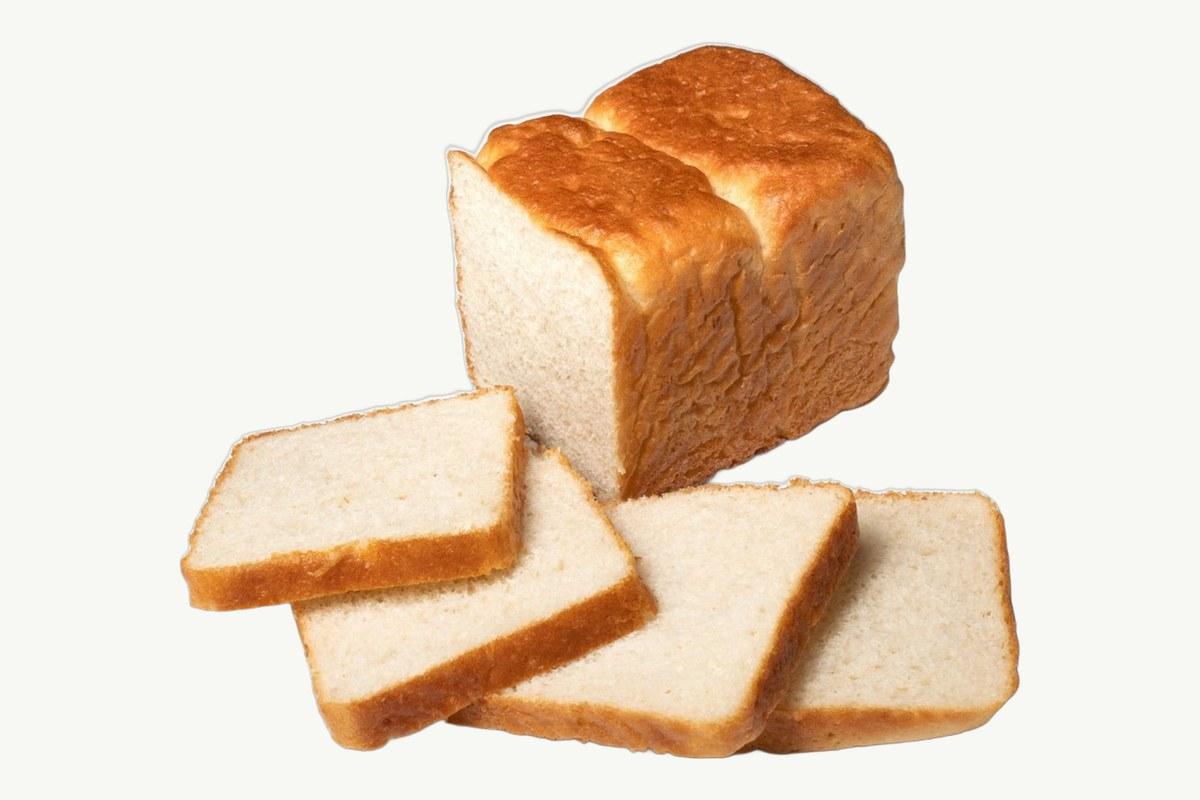
A crusty sourdough is a forgiving thing to sell. The crust is dramatic, the sour tang is assertive, and a good bake covers a multitude of small sins. A plain white sandwich loaf has none of that. It is pale, mild and soft, and if the crumb is not right there is nothing to distract you from it.
Our White Toast Bread is 10 AED, the least expensive loaf on the board and the one most likely to be judged at breakfast rather than at a table. Here is what goes into making a soft loaf that is worth eating.
What "soft crust" actually requires
A crust forms when the outside of a loaf dries and browns faster than the inside. Everything that makes a crust dramatic — high heat, steam early then dry heat, a bare dough surface — is deliberately dialled back in a sandwich loaf.
Three levers do most of the work.
Enrichment. Fat and milk solids in the dough interfere with crust formation. Fat coats the surface starches and stops them setting into a hard shell, and the sugars in milk brown at a lower temperature, so you get colour before the crust has time to go thick and crisp. This is the same family of decisions that produces the Japanese Milk Bread Loaf, taken less far.
The tin. Baking in a closed or lidded tin limits how much surface is exposed to dry oven air. Less exposed surface means less evaporation and a thinner crust.
A lower, longer bake. High heat drives the crust reaction hard. A sandwich loaf is baked cooler for longer, which cooks the crumb through without pushing the surface past soft brown.
The trade-off is real: a soft crust means a shorter shelf life. The crust on a country loaf is a barrier that slows moisture leaving the crumb. Take that barrier away and the loaf dries faster. That is not a defect to engineer around — it is the cost of the thing people want.
Building a crumb that toasts well
Toasting is not just heating bread. It is driving water out of the surface of a slice and browning it while the interior stays soft, and the crumb structure decides whether that works. Our guide to choosing a loaf that toasts well compares the three toast breads side by side.
An even, fine, closed crumb is what you want. Large irregular holes — the thing prized in a Sourdough Ciabatta — are a liability in a toast loaf. Butter falls through them, the slice toasts unevenly because the heat path differs across the surface, and a sandwich built on it leaks.
Getting that even crumb comes down to thorough gluten development and a controlled, even rise. A well-developed dough has a strong, uniform network that traps small bubbles evenly rather than letting them merge into big ones. It is why a sandwich dough is mixed considerably longer than an artisan dough — you are deliberately building the structure that a rustic loaf deliberately leaves loose.
The other half is slicing. A toast loaf is cut to a consistent thickness because thickness controls the toasting gradient: too thin and the slice dries through and goes brittle, too thick and the surface browns before the inside warms.
Why it goes stale faster than sourdough, and what to do
Staling is not drying. It is retrogradation — starch molecules that gelatinised during baking slowly recrystallising as the loaf cools and sits, which firms the crumb even in a sealed bag.
Two things make a white sandwich loaf stale faster than a sourdough. Its soft crust does less to slow moisture loss. And it lacks the acidity that a long fermentation gives a sourdough, which measurably slows retrogradation — one of the reasons a Country Sourdough Loaf holds its crumb longer, while a soft white loaf is noticeably firmer within a couple of days.
The single most common storage mistake is the fridge. Refrigeration is the worst place for bread: retrogradation runs fastest just above freezing, so a loaf goes stale several times quicker in the fridge than on the counter. It looks like a sensible precaution in a humid climate and it is precisely the wrong move.
What works in a Dubai kitchen:
Day one and two. Keep it in its bag at room temperature, in an air-conditioned room, away from a sunny window. A plastic bag is right here — you are protecting against moisture loss, and the soft crust has nothing to lose by going softer.
Beyond that. Freeze it, sliced. Freezing takes the loaf past the temperature range where retrogradation happens quickly and effectively pauses staling. Slice first so you can take what you need. Toast straight from frozen — do not thaw, which lets condensation settle on the surface and gives you a damp slice.
Bread that has already gone firm is not wasted. Retrogradation partly reverses with heat, which is why yesterday's loaf toasts perfectly well even when it is disappointing fresh. Beyond that it is the best possible candidate for anything that wants dry bread.
What it is for
This is the utility loaf on the board and that is meant as a compliment. It is the bread for a child's sandwich, for toast under eggs, for the thing you actually eat on a weekday rather than the thing you photograph.
It is also the base of several of our sandwiches, where a mild, soft crumb is the right choice precisely because it does not compete with the filling. A sharp sourdough under smoked chicken is a fight between two strong flavours; a soft white slice lets the filling be the point.
If you want more from the crumb without moving to a crusty loaf, the Multi-Seed Whole Wheat Toast Bread is the same format with considerably more going on (how bran and soaked seeds change a soft loaf), and the Brioche Toast Bread takes the enrichment much further (why the butter ratio changes everything). The full range is on the shop.
Frequently Asked Questions
Why does white bread go stale faster than sourdough?
Two reasons. Its soft crust does less to slow moisture leaving the crumb, and it lacks the acidity that long fermentation gives sourdough, which measurably slows starch retrogradation. Retrogradation — starch recrystallising after the bake — is what firms bread, and sourdough's acidity holds it back.
Should white toast bread go in the fridge in a humid climate?
No. Refrigeration is the worst option: starch retrogradation runs fastest just above freezing, so a loaf goes stale several times faster in the fridge than on the counter. Keep it bagged at room temperature for a couple of days, and freeze anything beyond that.
Can I freeze a toast loaf, and do I thaw it first?
Yes, and freezing is much better than refrigerating because it takes the bread past the range where staling happens quickly. Slice the loaf before freezing so you can take what you need, and toast the slices straight from frozen — thawing lets condensation settle and leaves the slice damp.
Why does my homemade sandwich loaf have big irregular holes?
Usually under-developed gluten or an uneven rise. A sandwich crumb needs a strong, uniform gluten network to trap small bubbles evenly, which is why the dough is mixed considerably longer than a rustic one. Large holes let butter fall through and make the slice toast unevenly.
Why is the crust so pale compared with other loaves?
That is deliberate. Fat and milk solids in the dough interfere with crust formation, baking in a tin limits the surface exposed to dry oven air, and the bake is cooler and longer. The cost is a shorter shelf life, since a thin soft crust does less to hold moisture in.
Order the white toast bread
The White Toast Bread is 10 AED, baked soft and sliced evenly because that is what a toast loaf is for. It sits alongside the seeded and enriched loaves over on the shop, and there is more on how the range differs on the blog.