Toast Bread in Dubai: How to Choose a Loaf That Toasts Well
Crumb tightness, sugar and fat decide whether a loaf toasts well — here is how our three toast breads differ, and which to buy.
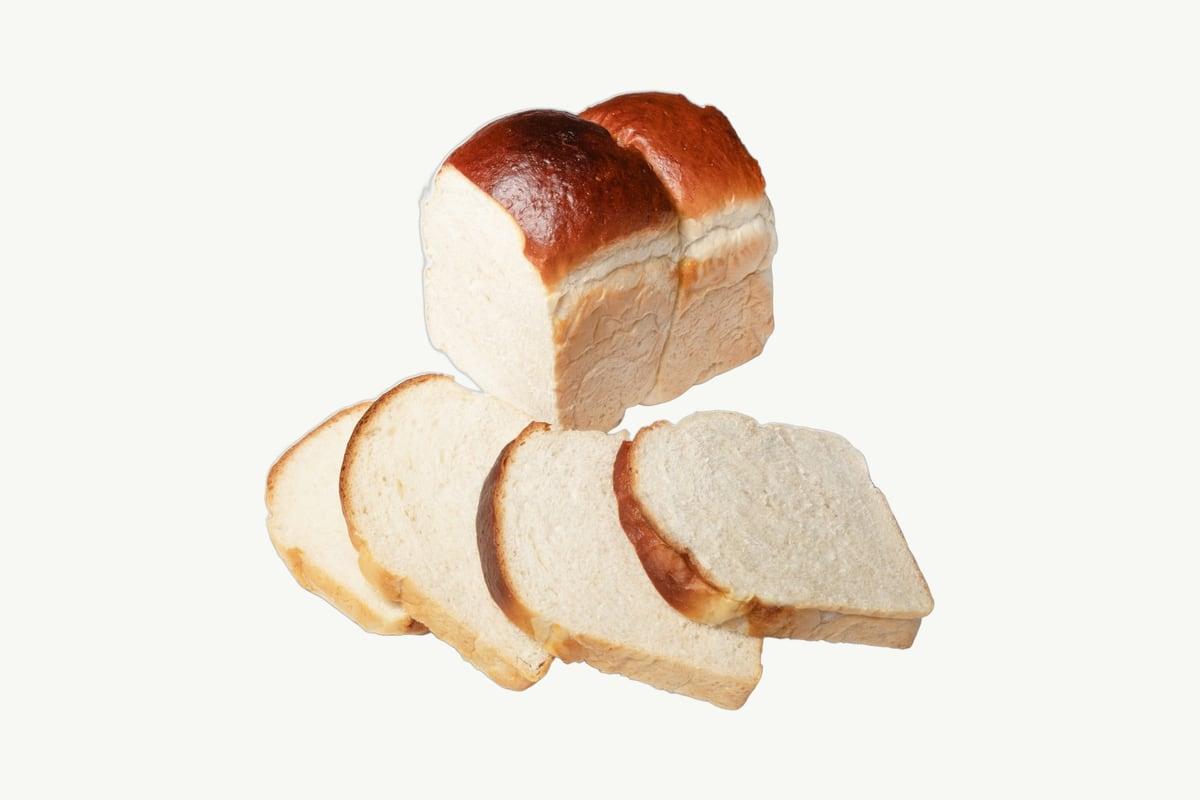
Three things decide whether a loaf toasts well: how tight the crumb is, how much sugar it carries, and how much fat is worked into the dough. Tight crumb gives even heat and a slice that holds butter instead of letting it fall through. Sugar browns; fat keeps the middle tender once the toaster has driven the moisture out. Everything else — the shape of the tin, the label on the bag — matters far less than those three.
What actually makes a bread good for toasting
A toaster does one job. It drives water out of the surface of a slice and pushes that surface hot enough for browning to start. Below roughly 150°C nothing much happens; above it, Maillard browning between sugars and proteins gets going, and any free sugar in the dough caramelises on top of that.
So a dough with a little sugar browns earlier and more evenly. A lean dough with almost none browns late, which means the slice spends longer in the toaster and loses more water before it colours. That is the difference between toast that is crisp outside and soft inside, and toast that is dry all the way through.
Fat is the second lever. Butter and milk fat coat starch granules and slow the staling process, and they stay soft at eating temperature. A slice with fat in the crumb can lose a good deal of moisture and still feel tender when you bite it. A lean slice has nothing to fall back on.
The third lever is the crumb itself — the size and evenness of the gas cells. Small, regular cells conduct heat evenly, brown at the same rate across the whole face of the slice, and give you a surface that butter sits on rather than drops through.
Why an open sourdough crumb makes poor toast
We bake plenty of sourdough, and we are fond of it. But an open, irregular crumb is built for the opposite of toasting. High hydration — often 78 to 85 per cent water on flour weight — plus a long bulk fermentation gives you those big, glossy, uneven holes. Wonderful with olive oil. Awkward under a grill.
Under heat, the thin cell walls around a big hole hold very little water. They scorch while the thicker walls around a dense patch are still pale. You get a slice that is black in three places and blond in three others, and butter runs straight through onto the plate.
A toast loaf is made deliberately differently. Hydration is lower, usually in the low sixties, so the dough is firm enough to hold a fine cell structure. It is fully developed on the mixer rather than built by folds alone, and it proves in a tall, straight tin — often lidded — so it rises into a square with nowhere to bloom irregularly. Tight, sliceable, even: the shape has followed the function for a century.
The everyday loaf: white toast at 10 AED
Our White Toast Bread at 10 AED is the plain workhorse, and it is plain on purpose. Strong wheat flour, a small amount of sugar, a modest amount of fat, an overnight sponge for flavour, then a soft dough mixed to full gluten development and baked in a tin until the crust is thin and pale gold.
That small sugar addition is doing real work. It brings the browning point forward, so a slice colours on a medium setting in a couple of minutes without drying to a cracker. The crumb is fine and slightly springy — it takes butter, it takes labneh, and it holds a fried egg without collapsing.
Cut it thick, around 15mm, for anything wet on top; thin, around 10mm, if you want it crisp through. It is also the right loaf for toasted sandwiches, because a tight crumb keeps melted cheese where you put it. Our white toast bread guide explains why a soft, pale loaf like this takes more care to bake than a crusty one.
Seeds, whole wheat and a slower slice
The Multi-Seed Whole Wheat Toast Bread at 32 AED is a different proposition. Wholemeal flour brings bran and germ into the dough, and bran physically interrupts the gluten network — it cuts strands, which is why wholemeal loaves are denser and need more careful handling. We soak the seed mix and part of the wholemeal overnight so the bran softens and stops drawing water out of the crumb after baking; our multi-seed whole wheat toast guide goes through why bran and seeds need that extra water.
Sunflower, flax, sesame and oats go through the dough and onto the crust. Seeds on the surface toast faster than the crumb around them, taking on a nutty note before the bread itself is fully coloured, so use a slightly lower setting and give it longer rather than a high setting and a short blast.
The gap between 10 AED and 32 AED is not a mystery, and we would rather be straight about it. Seeds cost several times what flour costs by weight, and this loaf carries a lot of them. The overnight soak adds a second day of production. That is the whole difference.
Toasted, it stands up to strong toppings — olive oil and za'atar, avocado, honey, sharp cheese. If you like a heartier, nuttier slice, it is the one to reach for.
Brioche: rich enough for French toast
The Brioche Toast Bread at 35 AED sits at the other end. It is an enriched dough — significant butter, eggs and milk worked into a strong flour base, mixed cold and slowly so the butter emulsifies into the gluten rather than greasing it. It proves slowly, and it bakes cooler than a lean loaf, around 170°C, because the sugar and milk solids brown so readily that a hot oven would darken the crust before the middle set.
Toasted plain, brioche colours in under a minute and needs the lowest setting you have. Left too long it goes from gold to bitter quickly — that is the sugar, not a fault in the bread.
Where it earns its keep is French toast. A custard of egg and milk needs a crumb that absorbs liquid without turning to paste, and the fat already in brioche stops it disintegrating in the pan. Cut at least 20mm thick and soak day-old slices for a minute a side; slightly stale brioche takes up custard more readily than fresh.
The 35 AED reflects butter and egg content, and the longer, colder mix they demand.
How to keep toast bread in Dubai's heat
Humidity is the real enemy here, not temperature. Bread left in a paper bag on a Dubai counter in August softens, then spoils sooner than the same loaf would in a dry climate. Keep loaves sealed, out of direct sun, and away from the steam of a kettle or hob.
The fridge is a trade-off: cold speeds up starch retrogradation, so refrigerated bread stales faster than bread at room temperature, though in a humid flat it holds off spoilage. Our answer is the freezer. Slice the loaf first, freeze it flat, and toast straight from frozen on a slightly longer setting. Toasting reverses much of the staling, which is why a frozen-then-toasted slice tastes closer to fresh than a three-day-old one from the counter. Our loaf-by-loaf guide to storing bread in Dubai covers the crusty loaves too.
We bake in Dubai Silicon Oasis and deliver across Dubai, so choose the delivery window that suits your breakfast. You can see the full range on the shop or check delivery for your area.
Frequently Asked Questions
Which bread is best for French toast?
A rich, enriched loaf with a tight crumb works best, which is why brioche is the traditional choice. The butter and egg already in the dough stop slices falling apart while they soak. Cut thick, around 20mm, and use day-old bread rather than fresh, as slightly stale crumb absorbs custard more evenly.
Why does sourdough make bad toast?
An open sourdough crumb has large, uneven holes with thin walls. Those thin walls scorch while denser areas stay pale, giving patchy toast, and butter runs through the holes. Toast loaves use lower hydration and a tin to force a fine, even crumb that browns uniformly across the whole slice.
Should I keep toast bread in the fridge in Dubai?
The fridge speeds up staling, so bread firms and dries faster there than at room temperature. In Dubai's humidity it does buy you time against spoilage, but the better answer is the freezer. Slice the loaf, freeze it flat in a sealed bag, and toast slices straight from frozen.
Why does brioche burn so quickly in the toaster?
Brioche carries far more sugar and milk solids than a lean loaf, and both brown at lower temperatures. The surface colours in well under a minute, then goes from gold to bitter fast. Use the lowest setting your toaster has, watch it, and pull it early rather than late.
Why is the seeded loaf three times the price of the white one?
Seeds cost several times more than flour by weight, and the multi-seed loaf carries a lot of them through the dough and on the crust. It also needs an overnight soak for the seeds and wholemeal, which adds a full extra day of production for the same loaf.
Order your toast bread from Farah
If you are stocking a kitchen, start with White Toast Bread for everyday breakfasts and add a Brioche Toast Bread for the weekend, when French toast is on. Everything is baked to order in Dubai Silicon Oasis and delivered across Dubai. Browse the full range in the shop and pick your delivery window.